
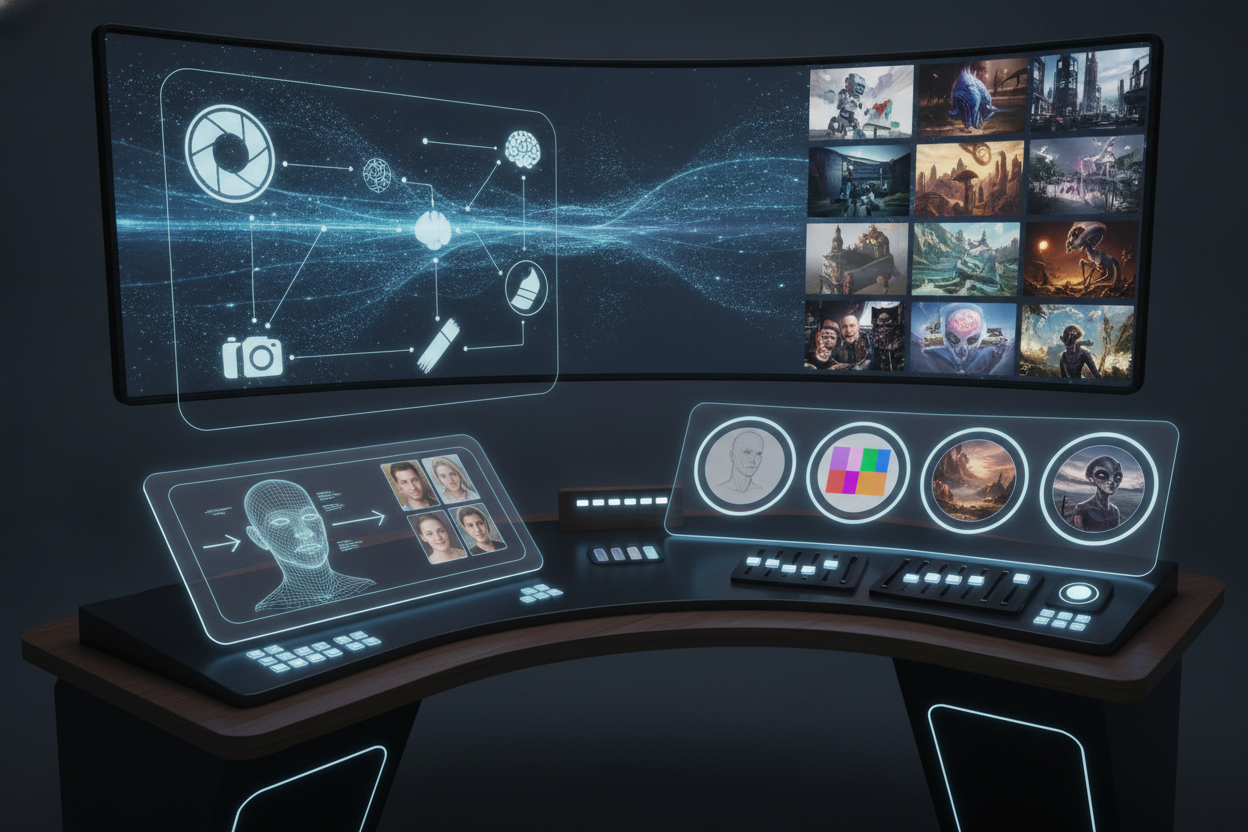
AI image generation has moved from novelty to practical creative tool, and understanding the basics helps you get better results faster. Whether you are producing concept art, marketing visuals, or social media assets, the key is learning how prompts, style references, and iteration work together. Good outputs usually start with clear language that describes subject, mood, lighting, composition, and medium. The more specific the prompt, the easier it is for the model to match your intent.
It also helps to think like an art director. Instead of asking for a generic image, define the use case first. A hero banner, thumbnail, and product mockup all need different framing and detail levels. Once you know the purpose, you can adjust aspect ratio, visual tone, and realism. Small prompt changes often create surprisingly different results, so experiment methodically and keep notes on what works.
Another important habit is post-generation refinement. AI tools are strongest when paired with human judgment. Review hands, text, reflections, and brand consistency carefully, then use editing tools to fix weak areas. This workflow saves time while preserving creative control. For creators and teams, the best approach is to build a repeatable process that balances speed with quality.
As AI image tools continue to improve, the advantage goes to people who understand both the technology and the creative brief. If you master the fundamentals now, you will be able to produce more polished visuals, communicate ideas more clearly, and adapt quickly as new platforms emerge.
Leave a Reply